UK Government Opens Consultation on Unlicensed Gambling Sponsorship Ban
Written by Wendy Friedrich · Jul 16, 2026

UK Government Opens Consultation on Unlicensed Gambling Sponsorship Ban
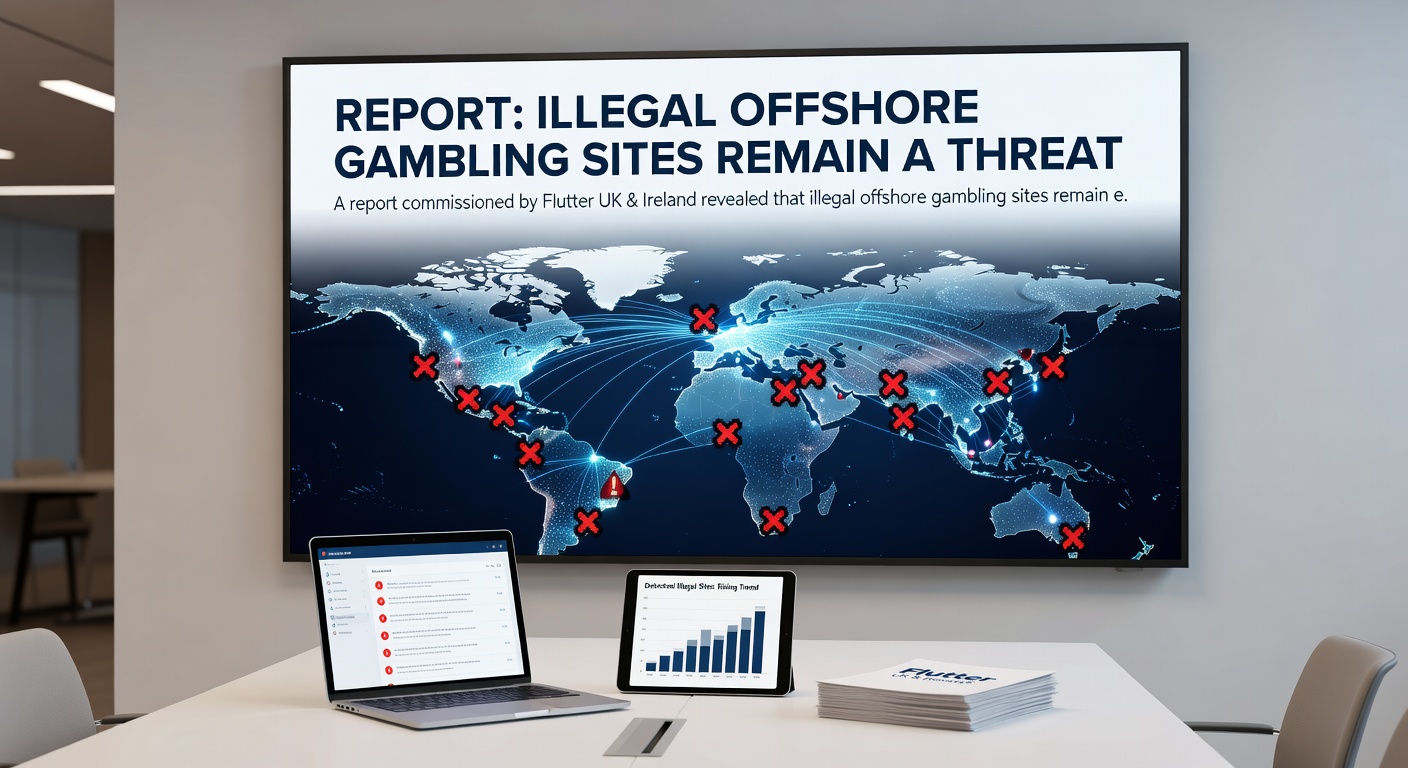
The UK government has launched an eight-week public consultation on proposals that would prohibit unlicensed gambling operators from sponsoring British sports teams, and the measures target logos appearing on kits, stadiums, and pitch-side hoardings alike. Officials designed the consultation to gather views on how best to prevent illegal sites from reaching audiences through sports advertising channels, particularly when those sites promote VPN access that bypasses licensing checks. Data from regulatory sources shows such promotions have previously directed users toward unlicensed platforms, which raises concerns about consumer protection and financial crime risks including money laundering.
Under the plans unlicensed operators without a Gambling Commission licence would face a criminal offence for entering sponsorship arrangements with sports clubs or venues, and the change could come into force as early as August 2027 though implementation would not extend beyond 2028. The consultation document outlines the scope of the ban and invites responses from sports organisations, gambling businesses, and members of the public on enforcement mechanisms and compliance timelines. Those who've studied similar regulatory shifts note that criminal penalties would apply directly to the operators rather than the clubs themselves, shifting liability upstream.
Scope of the Proposed Restrictions
The proposals cover a range of sponsorship formats that extend beyond shirt logos to include perimeter advertising boards, stadium naming rights, and digital promotions tied to match coverage, while the rules would apply across multiple sports rather than focusing solely on football. Government materials indicate the aim is to close pathways that currently allow unlicensed operators to advertise through high-visibility sports partnerships, and the consultation seeks input on whether additional safeguards such as monitoring VPN promotion tactics should form part of the final framework. Clubs that currently hold deals with unlicensed entities would need to review existing contracts ahead of any statutory deadline.
One example highlighted in coverage involves Everton, whose sleeve sponsorship with Stake.com would fall under the new rules because the operator lacks a UK licence, and similar arrangements at other clubs would require termination or renegotiation once legislation takes effect. The consultation period allows affected parties to submit evidence on operational impacts, including how clubs might transition to alternative commercial partners without disrupting revenue streams. Figures released alongside the announcement show that unlicensed gambling promotions have appeared in various sports settings, prompting the need for a unified approach rather than piecemeal measures.
Distinction from Existing Industry Measures
This consultation runs separately from the voluntary agreement reached by the Premier League to remove front-of-shirt gambling sponsorships starting in the 2026-27 season, and government statements emphasise that the new proposals address a different category of operator altogether. The voluntary ban applies only to licensed operators and focuses narrowly on shirt placement, whereas the statutory measures target unlicensed entities across all sponsorship types and would carry criminal sanctions. Observers note the two initiatives address overlapping but distinct issues within the broader regulatory landscape.
According to the consultation on banning unlicensed gambling sponsorship, the eight-week window provides structured opportunities for written submissions, and officials will analyse responses before drafting legislation. The process includes questions on enforcement responsibilities, potential exemptions for certain low-risk activities, and the practical steps required to verify operator licensing status before contracts are signed. Data shared in the consultation materials highlights the role sports advertising plays in driving traffic toward unlicensed platforms, which supports the rationale for a criminal prohibition rather than continued reliance on voluntary codes.
Timeline and Implementation Considerations
Responses to the consultation will inform the final shape of any legislation, and the earliest possible commencement date of August 2027 allows time for parliamentary scrutiny and industry adjustment periods. The upper limit of 2028 provides flexibility should additional consultation rounds or technical amendments prove necessary. Sports governing bodies and club executives have been encouraged to participate so that implementation details reflect operational realities across different leagues and venues.
Enforcement would likely involve collaboration between the Gambling Commission and sports regulators to monitor sponsorship arrangements, and the criminal offence element introduces new compliance obligations for both operators and clubs that enter future deals. Those preparing submissions have until the end of the eight-week period to provide detailed feedback on monitoring mechanisms and penalty structures.
Conclusion
The consultation represents a targeted regulatory step aimed at unlicensed operators that currently use sports sponsorship channels, and the outcome will determine whether criminal sanctions become part of the framework protecting consumers from illegal gambling promotions. Stakeholders across sports and gambling sectors now have a defined period to contribute evidence before any legislation advances toward the 2027-2028 timeframe.