Token Mechanics in Mobile Betting: Weekly Free Bet Systems on Digital Platforms
Written by Klara Günther · Aug 15, 2026
Token Mechanics in Mobile Betting: Weekly Free Bet Systems on Digital Platforms
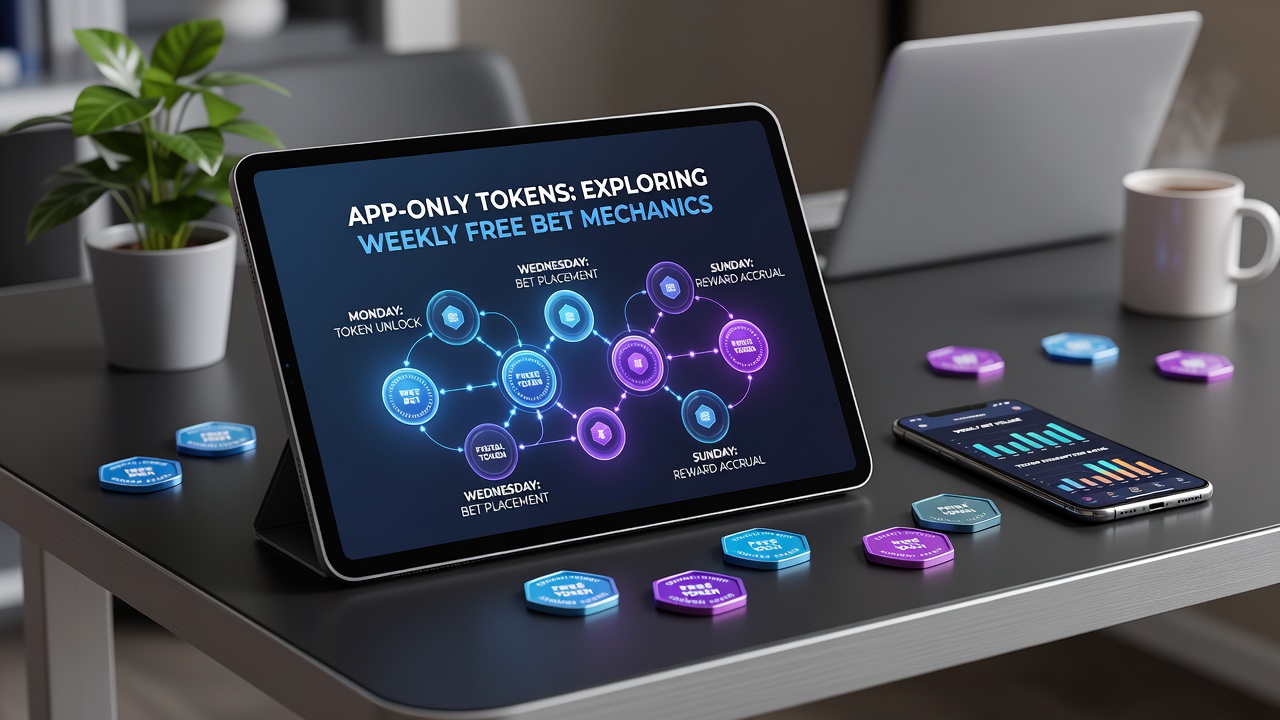
Digital bookmaker platforms have integrated app-only tokens as a core feature for delivering weekly free bet opportunities, with mechanics that tie eligibility directly to mobile application usage and specific deposit patterns. These systems operate through automated allocation cycles that reset every seven days, granting users access to wager credits once predetermined activity thresholds are met within the app environment. Data from industry tracking services indicates that such tokens often carry validity periods ranging from three to seven days after issuance, during which they must be converted into qualifying bets on selected markets.
Mechanics Behind Weekly Allocations
App-only tokens function through a combination of user authentication protocols and activity monitoring algorithms that detect logins, deposit events, and minimum stake requirements completed exclusively via the mobile interface. When these conditions align, the platform issues tokens that appear in a dedicated section of the user's account dashboard, ready for immediate deployment on pre-approved bet types. Observers note that many operators structure these tokens with built-in restrictions, such as limits on odds ranges or event categories, to align with internal risk management frameworks.
Platforms frequently update their allocation rules at the start of each calendar month, incorporating adjustments based on overall betting volumes recorded during the prior period. In August 2026 several major operators introduced tiered token values that scaled according to cumulative deposits made through the app over the preceding week, creating graduated reward levels for different user segments. This approach allows systems to differentiate between casual participants and more consistent app users without requiring separate promotional campaigns.
Platform Variations Across Markets
Operators in different jurisdictions implement distinct verification layers for token redemption, ranging from simple in-app confirmation buttons to multi-step processes involving device registration and location checks. European platforms tend to emphasize integration with existing loyalty point systems, whereas operators in North American regulated markets often link token issuance to responsible gambling tools that track session duration alongside wager amounts. Those who've examined multiple platforms report that Australian-facing apps commonly incorporate token mechanics into broader deposit match structures, allowing weekly free bets to stack with other ongoing offers under defined caps.
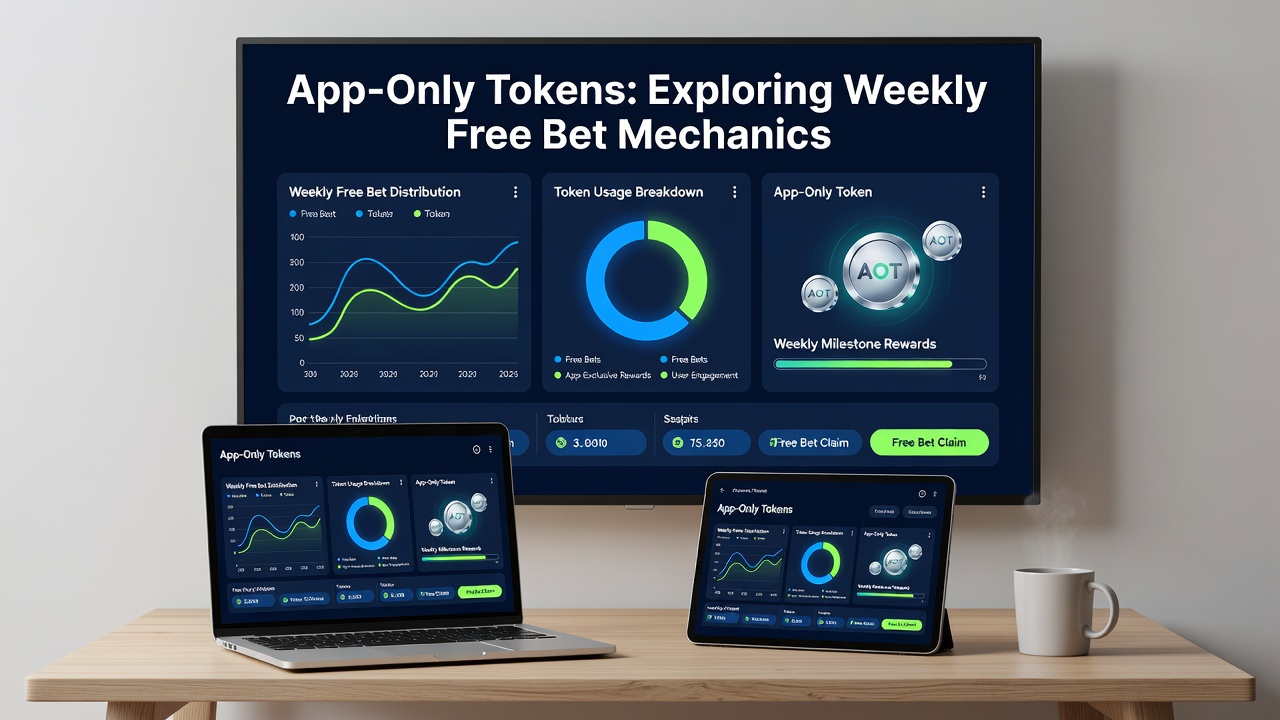
Research from the University of Nevada Reno's gaming studies program highlights how mobile-exclusive reward systems influence user retention metrics, with data showing higher repeat login rates among participants who receive weekly tokens compared to those limited to desktop-only promotions. The study examined anonymized transaction logs from several state-licensed operators and found that token redemption rates peaked mid-week, suggesting users strategically time their bets to maximize token utility before expiration.
Regulatory Context and Tracking Requirements
Regulatory bodies such as the Nevada Gaming Control Board mandate detailed reporting on token-based promotions, requiring operators to submit weekly summaries that detail issuance volumes, redemption percentages, and any associated player complaints. These filings help authorities monitor whether app-only mechanics inadvertently create barriers for users who prefer alternative access methods. Canadian provincial regulators have adopted similar disclosure rules, focusing on transparency around token expiry and the specific sporting events eligible for token wagers.
Operators maintain internal dashboards that flag accounts showing unusual patterns in token usage, such as rapid redemption across multiple unrelated markets within short timeframes. This monitoring supports compliance with anti-money laundering protocols while also informing adjustments to token values for future weeks. Figures released by the Alcohol and Gaming Commission of Ontario reveal steady growth in mobile-initiated wagers tied to token programs throughout 2025 and into mid-2026, with app traffic accounting for an increasing share of overall platform activity.
Technical Implementation Details
Backend systems powering these tokens rely on real-time synchronization between the mobile application and central servers to prevent duplicate claims or unauthorized transfers. Developers integrate push notification frameworks that alert users when new tokens become available or when existing ones approach their expiry window. Security protocols include device fingerprinting and encrypted token identifiers that deactivate upon detection of rooted or jailbroken operating systems.
Some platforms have begun experimenting with dynamic token values that adjust based on live market conditions, such as increased allocations for high-volume events like major football fixtures. These adjustments occur automatically through predefined rulesets that balance promotional costs against expected handle from token-driven wagers. Industry reports compiled by the American Gaming Association document how such adaptive systems have contributed to more predictable budgeting for marketing departments across multiple jurisdictions.
Conclusion
App-only token systems continue to evolve as digital bookmakers refine weekly free bet mechanics to balance user engagement with operational and regulatory constraints. The integration of automated allocation, device-specific verification, and cross-jurisdictional compliance reporting creates a structured environment where these rewards operate consistently across different markets. Data from academic and regulatory sources demonstrates measurable impacts on user behavior patterns, particularly in mobile engagement metrics. As platforms adjust their frameworks in response to shifting volumes and policy updates, token mechanics remain a central component of how operators deliver recurring incentives through dedicated applications.