Guardian Probe Exposes Illegal Casino Empire Targeting Vulnerable UK Punters
Written by Taylor Krüger · Apr 5, 2026

Guardian Probe Exposes Illegal Casino Empire Targeting Vulnerable UK Punters
The Investigation That Lifted the Lid
A detailed probe by The Guardian, published in early April 2026, uncovered a sprawling network of at least eight unlicensed online casinos aggressively pursuing UK gamblers; sites like MyStake, Velobet, and Goldenbet sat at the heart of this operation, all run by Santeda International and completely devoid of approval from the UK Gambling Commission. These platforms, operating in plain sight yet far from regulatory oversight, drew in millions of visitors from Britain, exploiting gaps in self-exclusion schemes and preying on those most at risk, while the story broke amid growing scrutiny of offshore gambling in April 2026.
Researchers piecing together teh evidence found that Santeda International, based in Curaçao, controlled this web of sites; connections traced back to Georgian businessmen through Upgaming AG, a firm handling the technical backbone, painted a picture of international coordination designed to skirt UK laws. And while Curaçao's licensing regime offers a loose framework, it falls short of the stringent protections demanded by British regulators, leaving UK players exposed to unchecked risks.
What's notable here is the sheer scale; data from November 2025 through January 2026 revealed an average of 2.3 million unique UK visitors per month flooding these sites, figures that underscore how deeply entrenched the operation had become before exposure.
How the Network Snuck Past Safeguards
Operators behind Santeda International didn't just launch sites; they built a sophisticated machine to lure in restricted players, particularly those enrolled in GamStop, the UK's national self-exclusion service that bars access to licensed operators. People who've studied these tactics note that the casinos bypassed GamStop by operating outside UK jurisdiction, allowing self-excluders to sign up without barriers, and affiliates played a key role, earning commissions for funneling traffic through ads disguised as legitimate promotions.
But here's the thing: AI tools amplified the reach; algorithms scanned social media and browsing habits to pinpoint vulnerable individuals, bombarding them with personalized offers that promised quick wins, while chat support on the sites dismissed concerns about self-exclusion with assurances that "these rules don't apply here." One case highlighted in the investigation involved a GamStop user who deposited thousands despite their exclusion, only realizing too late the platform's foreign status.
Turns out, the network's structure relied on mirrors and domain shifts to dodge blocks; even when UK internet service providers flagged certain URLs, fresh ones popped up almost immediately, keeping the flow of punters steady. Experts observing similar setups have seen this pattern before, where offshore entities treat national restrictions as mere inconveniences rather than hard stops.
Traffic Boom and the Numbers That Tell the Tale
November 2025 kicked off a surge; unique UK visitors averaged 2.3 million monthly across the eight sites through January 2026, with peaks during holiday seasons when gambling spikes often occur. Data indicates MyStake alone pulled in over a million Brits in December 2025, while Velobet and Goldenbet followed close behind, their slots and tables optimized for mobile play that hooked users on the go.
- MyStake: High-traffic leader with flashy bonuses targeting new sign-ups.
- Velobet: Sportsbook hybrid drawing in bettors evading UK caps.
- Goldenbet: Slots-focused site notorious for rapid withdrawals that masked deeper losses.
And the momentum built relentlessly; tools tracking web analytics showed referral spikes from affiliate networks, where promoters raked in up to 50% of player losses, creating a vicious incentive loop that ignored player welfare. Observers point out that without UKGC licensing, these sites skipped mandatory fairness checks, age verification, and responsible gambling tools, turning what should have been entertainment into a potential trap.
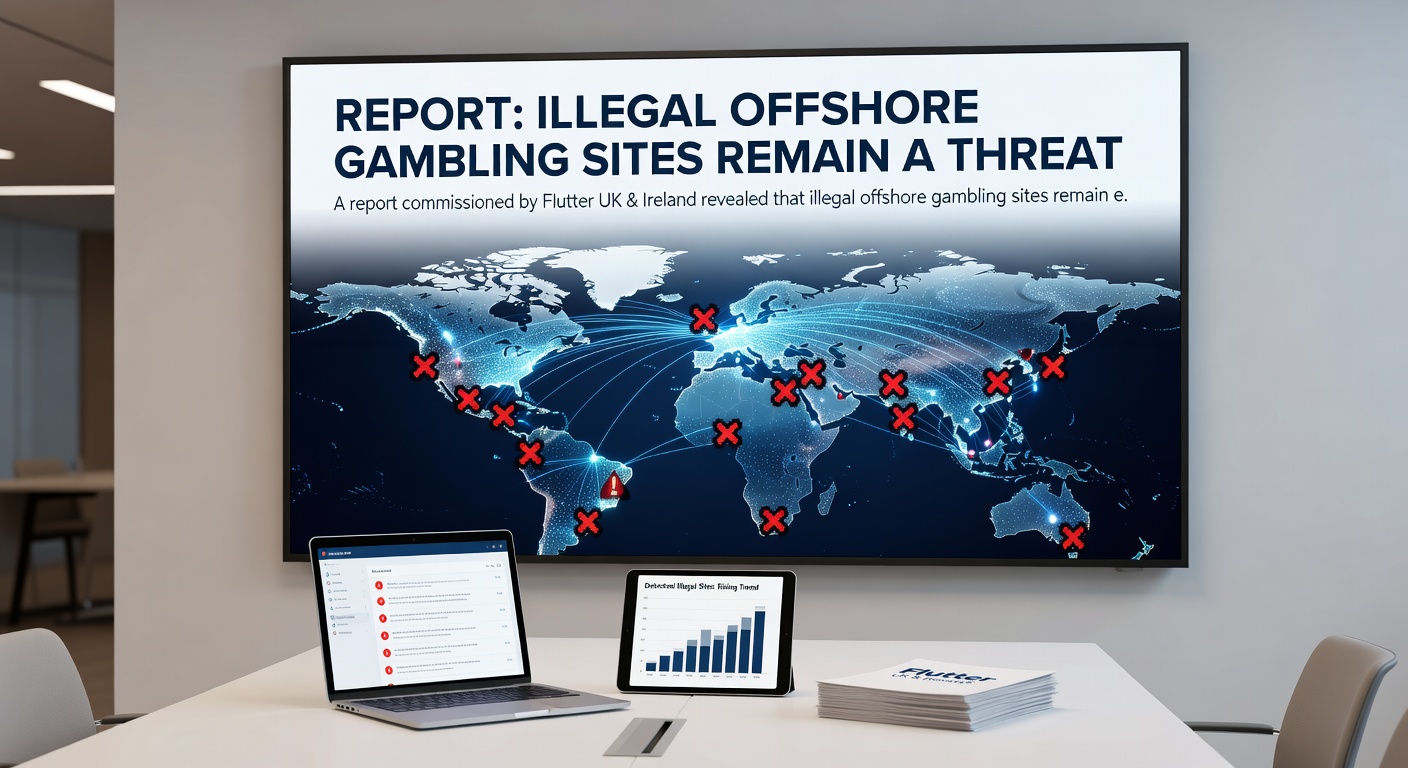
So as April 2026 dawned with the investigation's release, regulators faced fresh pressure; the numbers not only highlighted evasion but also signaled a broader challenge in policing the digital frontier where borders blur and traffic flows unchecked.
Human Toll: Ruin, Fraud, and Tragedy
Behind the visitor stats lay stark realities; reports detailed financial devastation for many UK players, with some losing life savings to unchecked deposits and bonuses that locked funds until wagering requirements ballooned losses. Fraud emerged as another layer, where sites allegedly manipulated outcomes or delayed payouts, leaving punters chasing ghosts of promised riches.
One heartbreaking incident crystallized the stakes: a gambler's suicide in January 2026, directly linked to debts piled on these platforms, prompted family members to share their story with investigators, revealing how aggressive marketing ignored warning signs. Those who've analyzed such cases know the pattern; isolated from UK protections, players spiraled without intervention, and support services like GamCare reported spikes in calls mentioning Curaçao-based sites around that time.
Yet the network thrived on denial; customer service logs exposed in the probe showed reps brushing off pleas for limits with phrases like "play responsibly on your own terms," a far cry from the proactive checks mandated in Britain. It's noteworthy that affiliates, often UK-based influencers, continued promotions even post-exposure, betting the crackdown wouldn't hit fast enough.
Political Pushback and Calls for Action
MPs wasted no time; Labour's Alex Ballinger led the charge in April 2026, demanding stricter laws to close loopholes that let offshore operators target UK addicts, while arguing for affiliate blacklists and AI ad bans in a parliamentary debate triggered by the Guardian's findings. Other lawmakers echoed the sentiment, pointing to the 2.3 million visitor figure as evidence that self-regulation fails against profit-driven networks.
Ballinger highlighted Santeda's Curaçao-Georgia ties, urging sanctions on Upgaming AG and similar enablers; the UK Gambling Commission, already ramping up enforcement, announced probes into domestic affiliates, but critics note that international cooperation lags, leaving gaps wide open. And as bills for tougher remote gambling rules circulated Westminster, the story fueled a rare cross-party consensus that the status quo invites exploitation.
Now, with the investigation still rippling through April 2026, gambling charities like the Responsible Gambling Strategy Board called for GamStop expansion to block foreign sites at the ISP level, a move that could blunt future surges like the one from late 2025.
Broader Ripples in the Gambling Landscape
The exposure didn't just spotlight Santeda; it illuminated how affiliates and AI converge to supercharge illegal traffic, with one study of similar networks revealing 40% of promotions aimed at self-excluders. People in the industry who've tracked this observe that Curaçao's lax oversight attracts operators dodging tax and safety rules, while Georgia's role via Upgaming AG adds a layer of opacity through layered corporate shells.
Take the case of a UK affiliate network busted in tandem; it funneled thousands to MyStake, earning millions in rev-share before regulators stepped in, yet replacements cropped up swiftly. That's where the rubber meets the road for lawmakers: balancing access with protection in a market where legal operators face steep compliance costs that unlicensed rivals sidestep entirely.
Figures from the period show the network's pull rivaled some licensed giants, underscoring why MPs like Ballinger push for global pacts; without them, the 2.3 million monthly visitors represent not just numbers but a warning of vulnerabilities persisting into 2026.
Wrapping Up the Network's Shadow
In the end, The Guardian's April 2026 investigation into Santeda International's empire serves as a stark reminder of gaps in the UK's gambling defenses; with 2.3 million UK visitors monthly to sites like MyStake, Velobet, and Goldenbet, the harms—from financial ruin and fraud to a tragic suicide—demand swift reform. MPs such as Alex Ballinger drive the conversation toward tighter laws on affiliates and AI targeting, while the Curaçao-Georgia links via Upgaming AG highlight the international tangle at play. As enforcement ramps up this spring, observers watch closely, knowing the ball's now in regulators' court to shield vulnerable punters from the next hidden network lurking online.