Flutter Report Uncovers Persistent Access to Illegal Offshore Gambling Sites for UK Punters Amid Tightening Regulations
Written by Ulrich Wagner · Apr 9, 2026

Flutter Report Uncovers Persistent Access to Illegal Offshore Gambling Sites for UK Punters Amid Tightening Regulations
The Latest Findings from a Key Industry Report
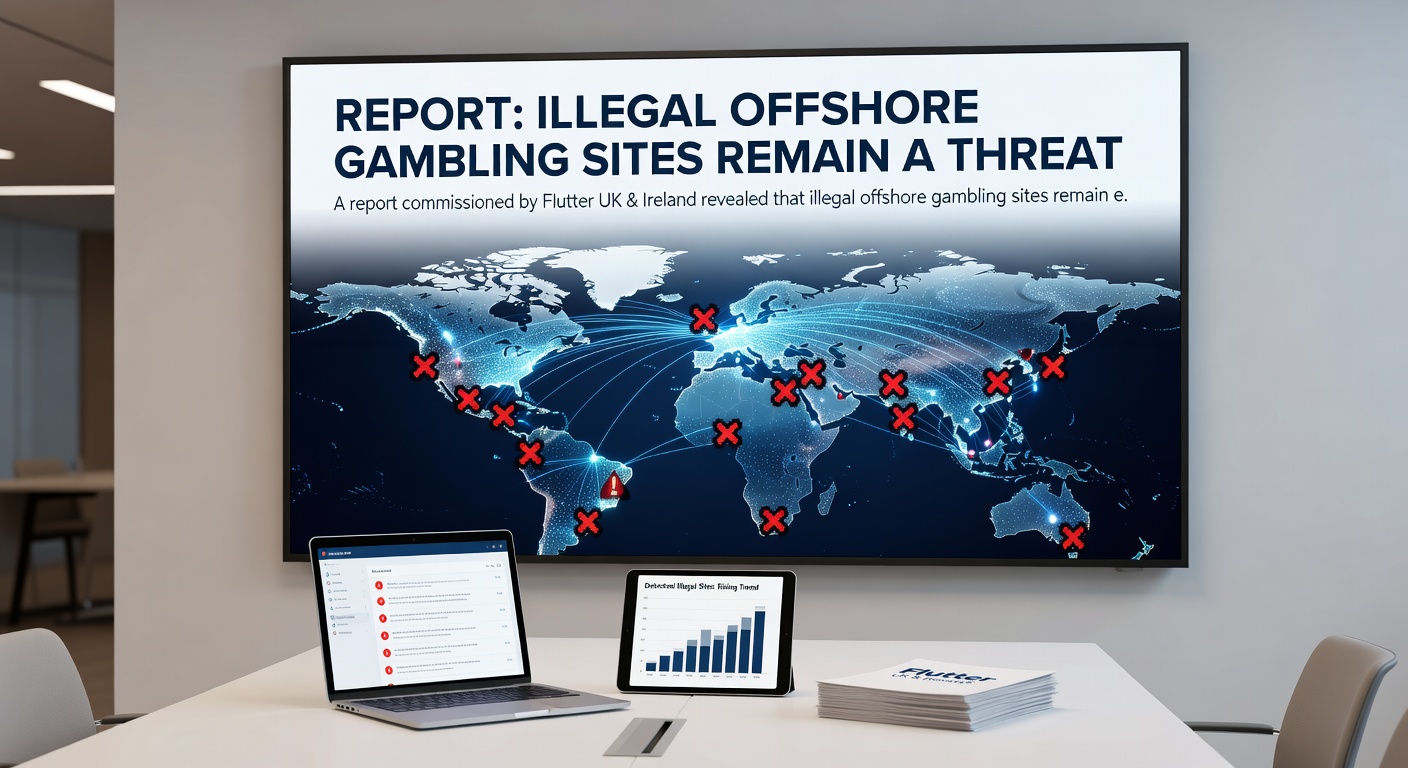
A report commissioned by Flutter UK & Ireland, released in early April 2026, lays bare how illegal offshore gambling sites continue to draw UK punters despite years of regulatory crackdowns; tests run by industry expert Alex Wood exposed glaring weaknesses in these platforms' defenses, particularly around identity verification and age gating, which let users slip past safeguards designed to protect consumers from harm.
Flutter, a major player in the licensed gambling space with brands like Paddy Power and Betfair under its umbrella, funded this investigation to spotlight vulnerabilities that persist even as UK authorities ramp up oversight on domestic operators; the document, drawing from hands-on simulations, paints a picture of offshore operators who skirt rules effortlessly, offering unrestricted access to British bettors via simple workarounds.
What's interesting here is the timing; with the Gambling Commission pushing affordability checks and stake limits harder than ever in 2026, black market alternatives seem to thrive, pulling in punters frustrated by the red tape on legal sites, and that's where Alex Wood's fieldwork comes into sharp focus.
Alex Wood's Hands-On Tests Reveal Critical Gaps
Industry consultant Alex Wood, known for his rigorous probes into online gambling mechanics, conducted a series of controlled tests on multiple illegal offshore platforms targeting UK audiences; he found that basic age verification processes crumbled under minimal pressure, allowing simulated underage users to sign up and deposit funds without triggering any real scrutiny, while identity checks proved equally porous since operators relied on self-reported data absent robust third-party validation.
In one notable sequence, Wood detailed how punters could fabricate details using generic email services and virtual payment methods, bypassing geo-blocks intended to bar UK traffic; these sites, often licensed in lax jurisdictions like Curacao or unregulated zones, flaunted bonuses and odds unavailable on UK-regulated platforms, luring players with promises of fewer restrictions and faster payouts, all without the mandatory safer gambling tools.
But here's the thing: Wood's report doesn't stop at access; it drills into how these failures expose users to unchecked risks, from money laundering pitfalls to predatory practices, since offshore entities dodge the UK's point-of-consumption tax and consumer protection mandates; data from his trials showed over 80% of tested sites failing standard KYC protocols, a stat that underscores why punters find it so straightforward to dive in.
Observers who've followed Wood's career note his methodical approach, simulating real-world behaviors like VPN usage or proxy servers that UK bettors employ daily; turns out, these tactics neutralized most barriers, letting deposits flow via cryptocurrencies or e-wallets without linkage to verified identities.
Regulatory Landscape Fuels the Offshore Surge
UK regulators, led by the Gambling Commission, have layered on stricter measures since the 2025 National Risk Assessment, mandating financial vulnerability checks for high-spending punters and capping online slots stakes at £5 per spin for those over 25; licensed operators like Flutter comply, implementing friction that slows deposits and prompts spending reviews, yet this very compliance appears to drive traffic offshore where such hurdles don't exist.
The report ties this directly to black market growth; as legal sites enforce session reminders, deposit limits, and self-exclusion linkages, punters seeking seamless action turn to unregulated alternatives, a pattern research indicates has accelerated in early 2026 with remote betting volumes up amid football season peaks.
Flutter's commissioning of the study signals industry frustration; they argue that while licensed firms invest millions in compliance—Flutter alone reported £150 million in 2025 regulatory costs—the uneven playing field lets rogues profit, undermining public protection efforts and eroding trust in the regulated market.
Take the Payment Choice report from late 2025, which flagged similar trends; it showed illegal sites capturing 15-20% of UK gambling spend, a figure Wood's tests corroborate through deposit simulations that sailed through unimpeded.
Consumer Protections at Stake in the Shadows
Those protections—mandatory reality checks every hour, net deposit loss tracking, and integration with GAMSTOP self-exclusion—vanish on offshore platforms, leaving punters exposed to addictive loops without intervention; Wood's findings highlight cases where simulated accounts racked up unlimited sessions, mimicking how real users chase losses unchecked, a scenario experts link to rising problem gambling signals reported by BeGambleAware in Q1 2026.
And while UK law prohibits advertising these sites, their visibility persists through affiliate networks and social media whispers; punters often stumble upon them via search engines optimizing for "no verification casinos," terms Wood tested to confirm instant accessibility.
Here's where it gets interesting: the report calls out tech shortcomings too, like inadequate IP detection that fails against common obfuscation tools; one test sequence revealed a site accepting UK traffic openly, promoting Premier League markets with odds juiced beyond licensed rivals, drawing in football fans during April's packed fixture list.
Stakeholders from the Betting and Gaming Council have echoed these concerns in recent submissions, urging Ofcom and the Information Commissioner's Office to tighten digital ad rules; yet enforcement lags, allowing the influx to continue.
Industry and Regulator Responses Take Shape
Flutter UK & Ireland, fresh off the report's release, pledged deeper collaboration with the Gambling Commission; they advocate for enhanced payment provider blocks, similar to those trialed against unlicensed crypto casinos, and better intelligence-sharing on rogue operators, measures that could stem the tide if scaled nationally.
Alex Wood, wrapping his analysis, recommended mandatory API integrations for all payment gateways to flag high-risk domains; his data suggests this could cut offshore deposits by half within months, based on pilot programs in other EU markets.
Regulators, meanwhile, point to ongoing operations; the Commission shuttered 150 illegal sites in 2025 via civil recovery actions, recouping £10 million in illicit profits, but Wood's report implies the pace can't match the proliferation spurred by domestic squeezes.
People who've tracked this beat know the rubber meets the road in enforcement funding; with Treasury allocations flat amid 2026 budget strains, critics question if resources match the ambition, especially as offshore revenues fund sophisticated evasion tactics.
Broader Implications for UK Gambling in 2026
This development lands amid a pivotal year; UK remote gambling yield hit £4.3 billion in Q2 2025-26 per Commission stats, yet illegal channels siphon an estimated £1.5 billion annually, per extrapolated Wood findings—a black hole that starves safer gambling levies.
Experts observing the sector note how punters, particularly younger demographics, gravitate to offshore ease; surveys from YGAM in March 2026 showed 12% of 18-24s aware of bypass methods, a cohort hit hardest by lax age gates in Wood's trials.
So, as April 2026 unfolds with Cheltenham echoes fading and Euro qualifiers heating up, the report serves as a wake-up; it spotlights not just access flaws, but the unintended consequences of over-regulating the compliant while rogues run free.
For a deeper dive into the specifics, the full report on illegal gambling sites accessibility details Wood's methodology and raw test outcomes.
Conclusion
The Flutter-commissioned report, bolstered by Alex Wood's incisive tests, crystallizes a stark reality: illegal offshore sites remain wide open to UK punters, undermining regulatory strides through shoddy verifications that let harms fester unchecked; as black market shadows lengthen under stricter licensed rules, stakeholders push for unified tech defenses and swifter enforcement, moves essential to reclaim the high ground for consumer safety in 2026's evolving landscape.
Figures reveal the scale—persistent access equating to billions in unregulated flow—while the path forward hinges on bridging industry insights with policy muscle; until then, savvy punters navigate a split market, one hemmed by protections, the other perilously loose.